PROF. DR. MUHAMMAD ATIQ UR REHMAN TARIQ

Water resources engineering is rarely just about water.

It is also about the cities, farms, infrastructure, institutions and people that depend on the decisions we make around it.

Prof. Dr. Muhammad Atiq Ur Rehman Tariq is a water resources engineer, researcher and academic currently serving as Director of the Centre of Excellence in Water Resources Engineering at UET Lahore. His work covers flood-risk management, hydrology, hydraulic infrastructure, water governance, climate change, remote sensing, GIS and the growing use of data and artificial intelligence in water-resource planning.

Over the course of his career, he has worked across Pakistan and abroad in teaching, research, academic leadership and technical practice. This website brings that work together in one place so that researchers, institutions, engineers and potential collaborators can understand what he has actually worked on, where his experience is strongest, and how that work connects to the water challenges Pakistan is dealing with today.

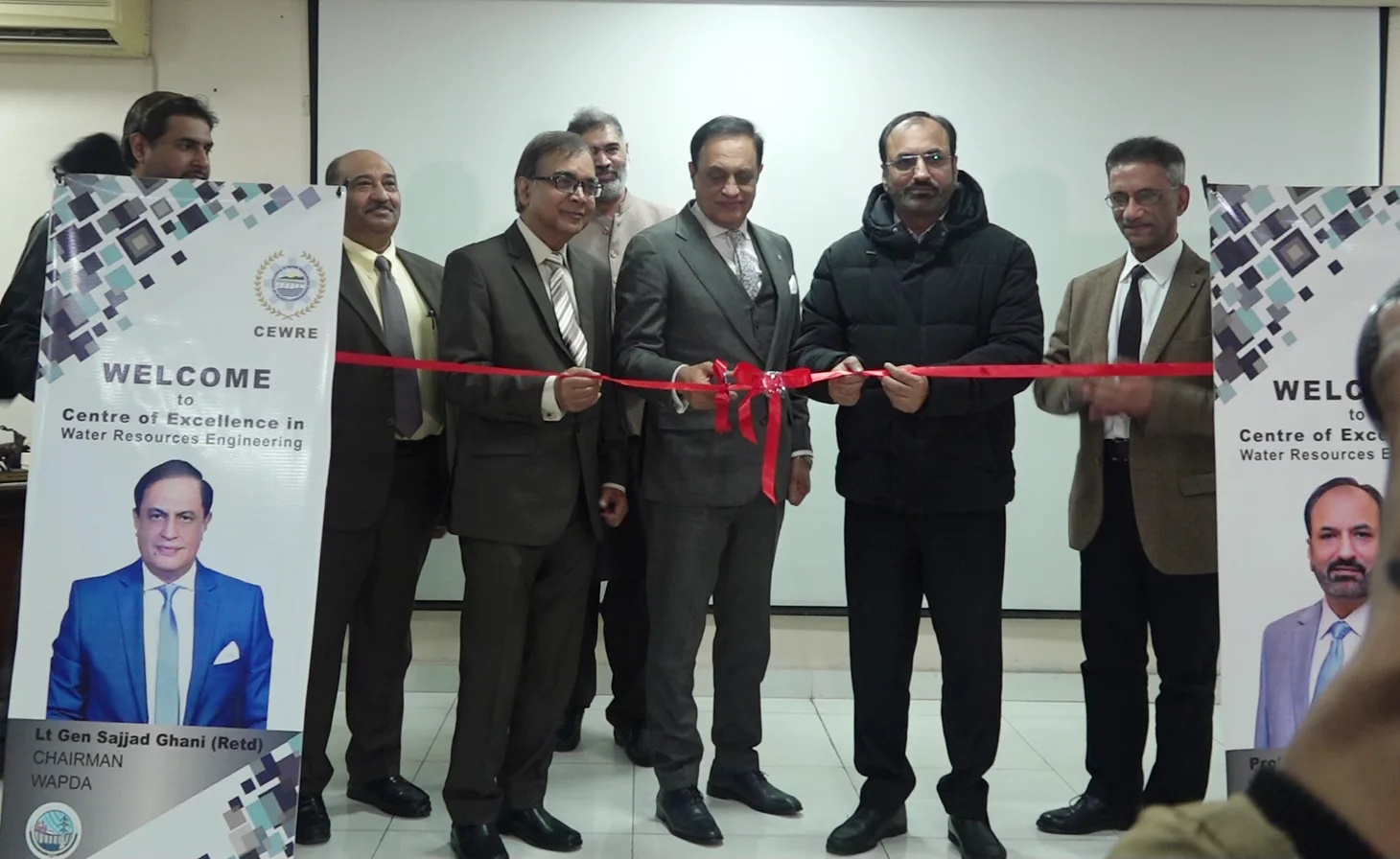
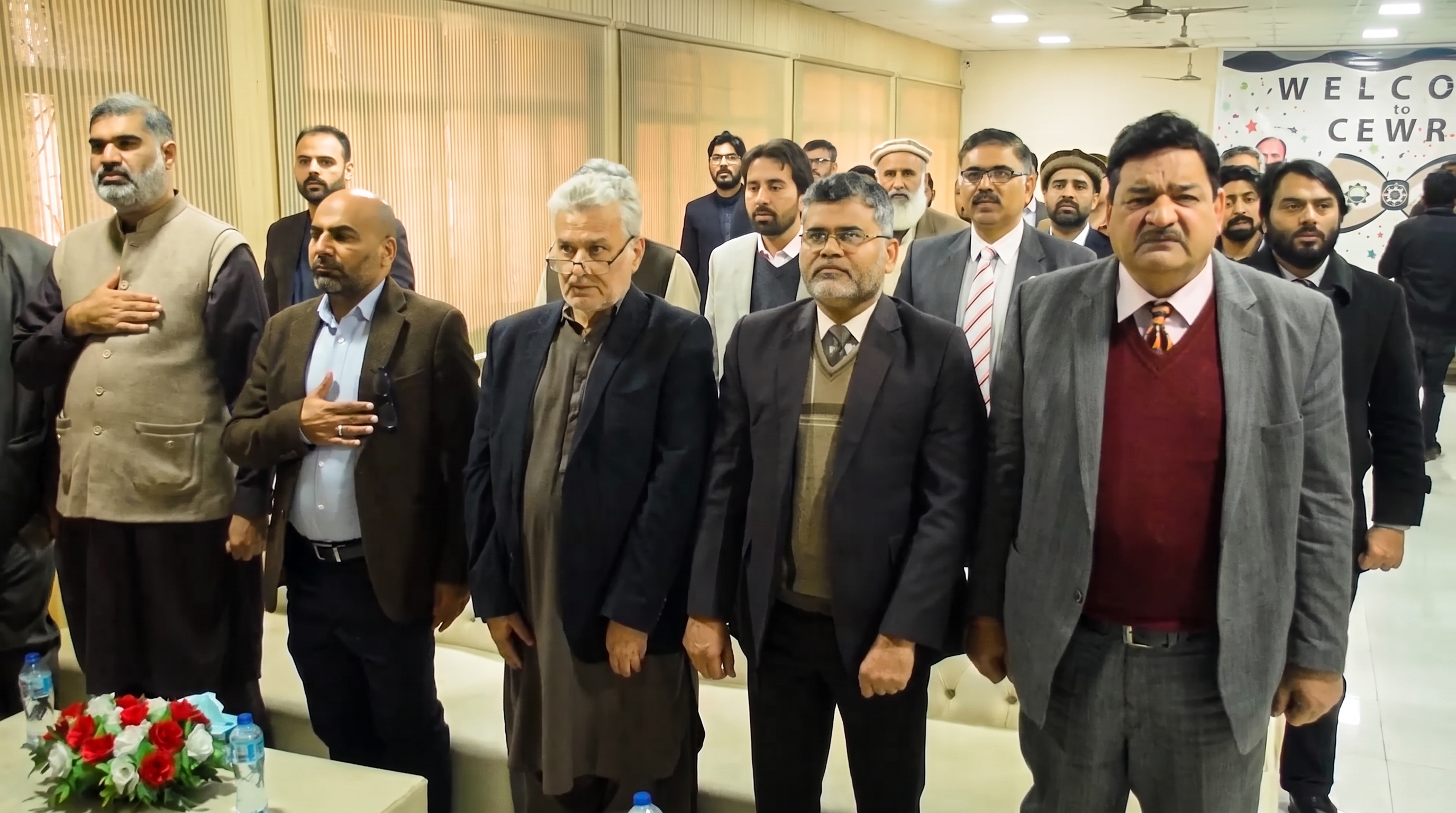
CEWRE visit during the Chairman WAPDA visit to UET Lahore
CEWRE during the Chairman WAPDA visit to UET Lahore, October 2023.

Institutions and professional environments connected to his academic, research, teaching or sector-facing work

CEWRE UET Lahore TU Delft Victoria University WAPDA Punjab Irrigation Department WWF-Pakistan The Urban Unit WaterAid Pakistan Pakistan Engineering Services COMSATS Abbottabad CUST Islamabad

A career built across research, teaching, engineering and institutional leadership.

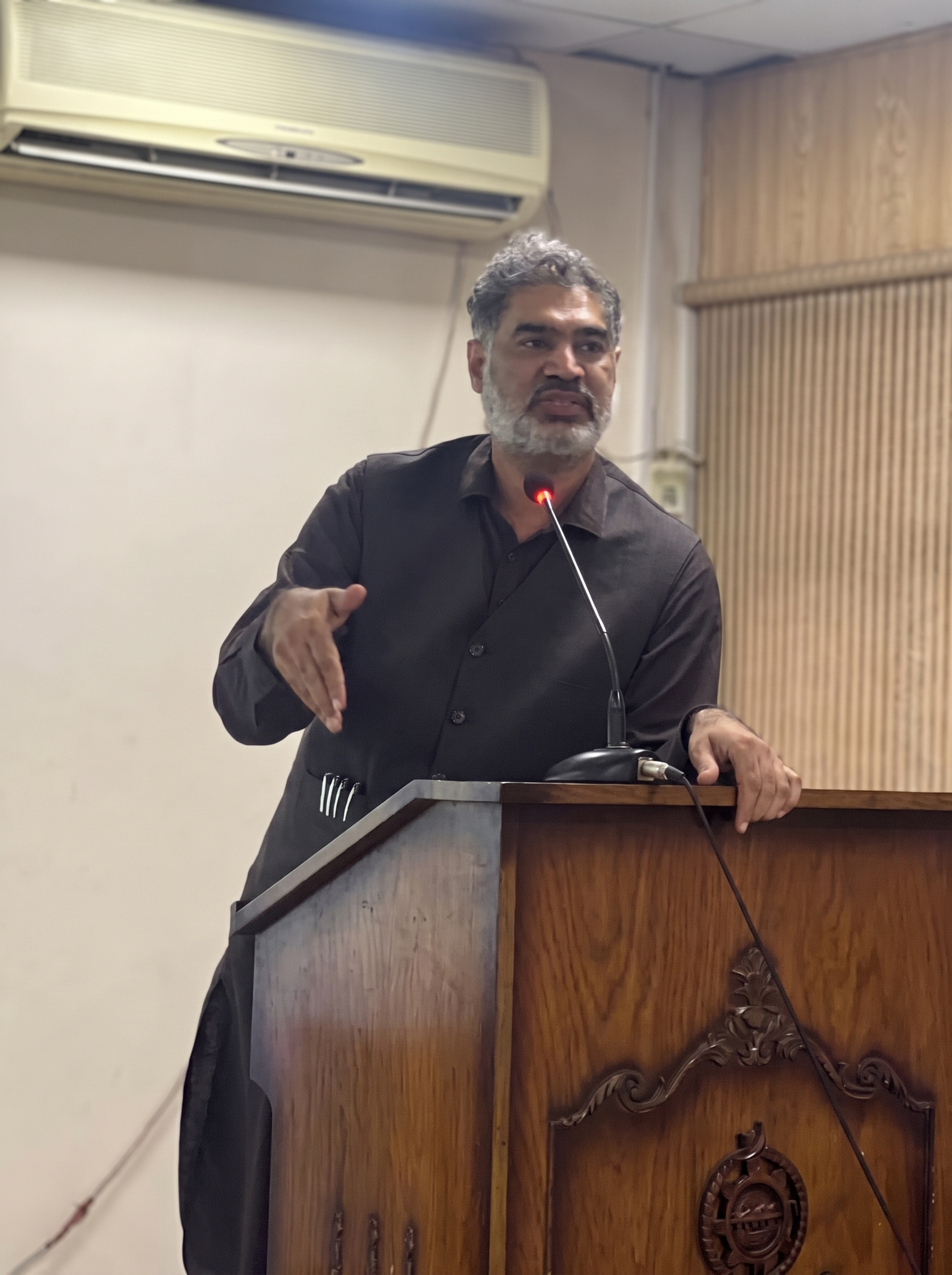
Prof. Dr. Muhammad Atiq Ur Rehman Tariq

Official CEWRE profile photograph.

Dr. Tariq’s connection with water resources engineering goes back more than two decades. His postgraduate work at CEWRE included flood-risk zoning in Chiniot, and he later completed his PhD at Delft University of Technology in the Netherlands. From there, his career moved across university leadership, research and applied engineering work in Pakistan and internationally.

Before returning to CEWRE, he held academic roles that included COMSATS Abbottabad, Capital University of Science & Technology in Islamabad and Victoria University in Melbourne. His official CEWRE profile also records his contribution to engineering education in Pakistan, including work around outcome-based education and the wider process that supported Pakistan Engineering Council’s Washington Accord recognition.

Today, as Director of CEWRE, his role puts him in a position where postgraduate research, professional training and institutional collaboration meet. The Centre works with engineers and researchers involved in hydropower, irrigation, consulting, climate resilience, flood management and water-resource planning, which means the work is rarely isolated from the problems being faced outside the university.

Current position Director, CEWRE, UET Lahore
PhD TU Delft, The Netherlands
Previous international role Victoria University, Melbourne
Core areas Flood risk, hydrology, water governance, hydraulic structures, GIS, climate and AI-based planning
The numbers are useful because they show the depth behind the work.

Research databases do not always report identical totals, so these figures should be treated as public-profile indicators rather than a single official count.

150+Research outputs visible across current public research profiles and repositories
2,600+Citations shown on his public ResearchGate profile at the time of research for this website
80+High-quality journal papers referenced by CEWRE in its official professional biography
6Journal or special-issue editor and invited-editor roles referenced in his CEWRE biography

A few examples that show the range of problems he has worked on.

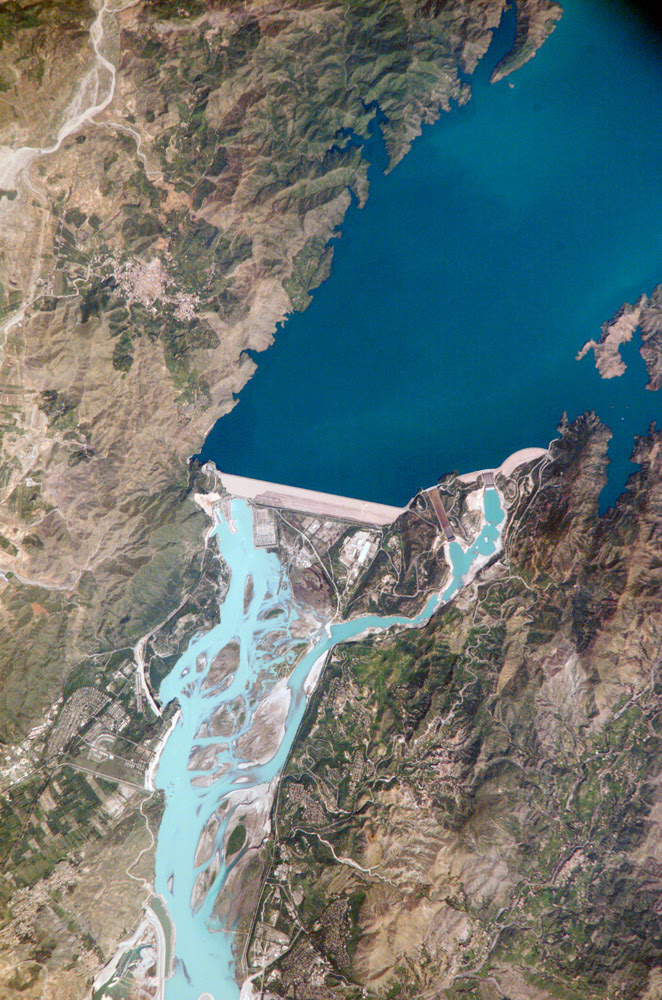
NASA satellite image of Tarbela Dam and reservoir in Pakistan

RESERVOIR OPERATIONS · TARBELA

Looking at how Tarbela can continue delivering benefits as storage, sedimentation and operating pressures change over time.

Dr. Tariq co-authored research on simulation and optimization of Tarbela Reservoir operations, examining the relationship between reservoir management, sediment accumulation, irrigation releases and hydropower generation.

Read the Tarbela study ↗

Image: NASA satellite photograph via Wikimedia Commons, public domain.

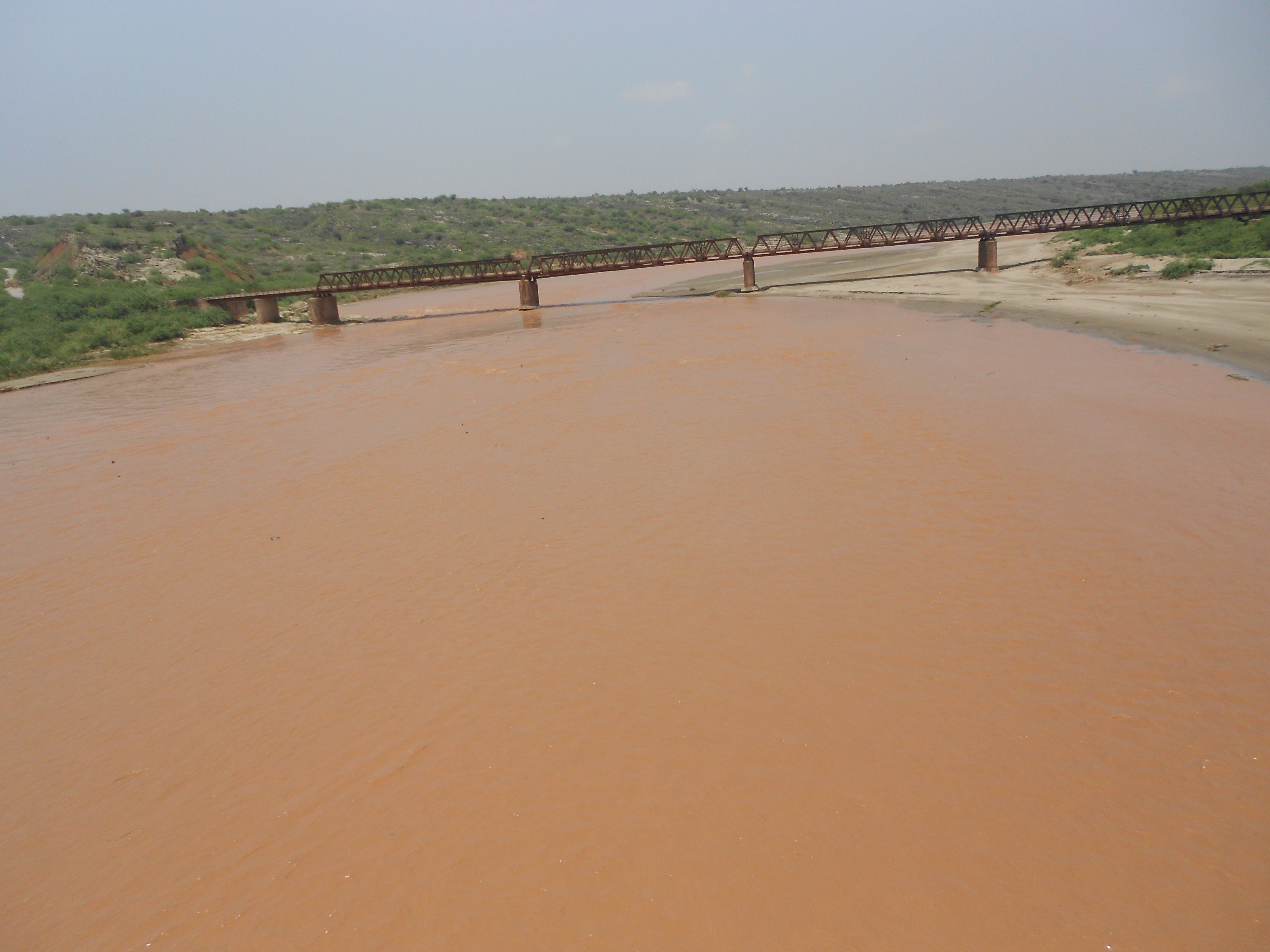
Soan River in Pakistan

HYDROLOGY · SOAN RIVER BASIN

Reconstructing streamflow and measuring hydrological drought in the Soan River Basin.

A 2024 study involving Dr. Tariq reconstructed natural streamflow and quantified hydrological drought in the Soan River Basin.

Read the Soan River study ↗

Image: Obaid Raza / Wikimedia Commons, CC BY-SA.

Chairman WAPDA visit to UET Lahore

INSTITUTIONAL COLLABORATION · WAPDA

Connecting university research with the institutions responsible for Pakistan’s water and hydropower systems.

During the Chairman WAPDA visit to UET Lahore in October 2023, Dr. Tariq briefed the delegation on CEWRE’s role, research facilities and technical work.

View the UET record ↗

Image: University of Engineering & Technology Lahore.

MSc Hydropower Engineering Program ceremony at CEWRE UET Lahore

HYDROPOWER EDUCATION · CEWRE + WAPDA

Building technical capacity matters just as much as producing another paper.

In January 2025, UET Lahore inaugurated an MSc Hydropower Engineering programme at CEWRE under which 25 WAPDA officers were to pursue graduate study.

View the programme announcement ↗

Image: University of Engineering & Technology Lahore.

Part of his influence comes from the people and organisations around the research.

This section deliberately avoids pretending every institutional connection is a personal client relationship. These are documented professional, academic, supervisory or CEWRE-facing connections.

WAPDA

CEWRE has worked with WAPDA through technical visits, postgraduate hydropower education and sector-facing events. Dr. Tariq has also appeared as a keynote speaker on AI-driven water-resources planning at a WAPDA conference.

Punjab Irrigation Department

Current CEWRE records show serving Punjab Irrigation Department executive engineers among the PhD researchers under Dr. Tariq’s supervision.

WWF-Pakistan

CEWRE’s current academic network includes senior WWF-Pakistan freshwater and leadership personnel as adjunct or visiting faculty.

Engineering consultancies

His supervision and CEWRE network include professionals from Pakistan Engineering Services and Rehman Habib Consultants, while the Centre also maintains wider industry linkages with organisations such as NESPAK.

For research, technical collaboration or institutional work, the simplest route is through CEWRE.

There is no need to turn the contact section into a sales pitch. If the work is relevant, the background above should already make that clear.